This site is no longer being updated as of February 2021! Please go to the current iteration of Very Curious Mind for the latest.
I’m Alison J. Stein.
I write, I art and I teach. I live in New York City, where I do other things, too.
I hope I can satisfy some of your curiosity about me here. Curiosity is my favorite character trait.
*Drop me a note at alisonstein at gmail.com.
About the Writing:
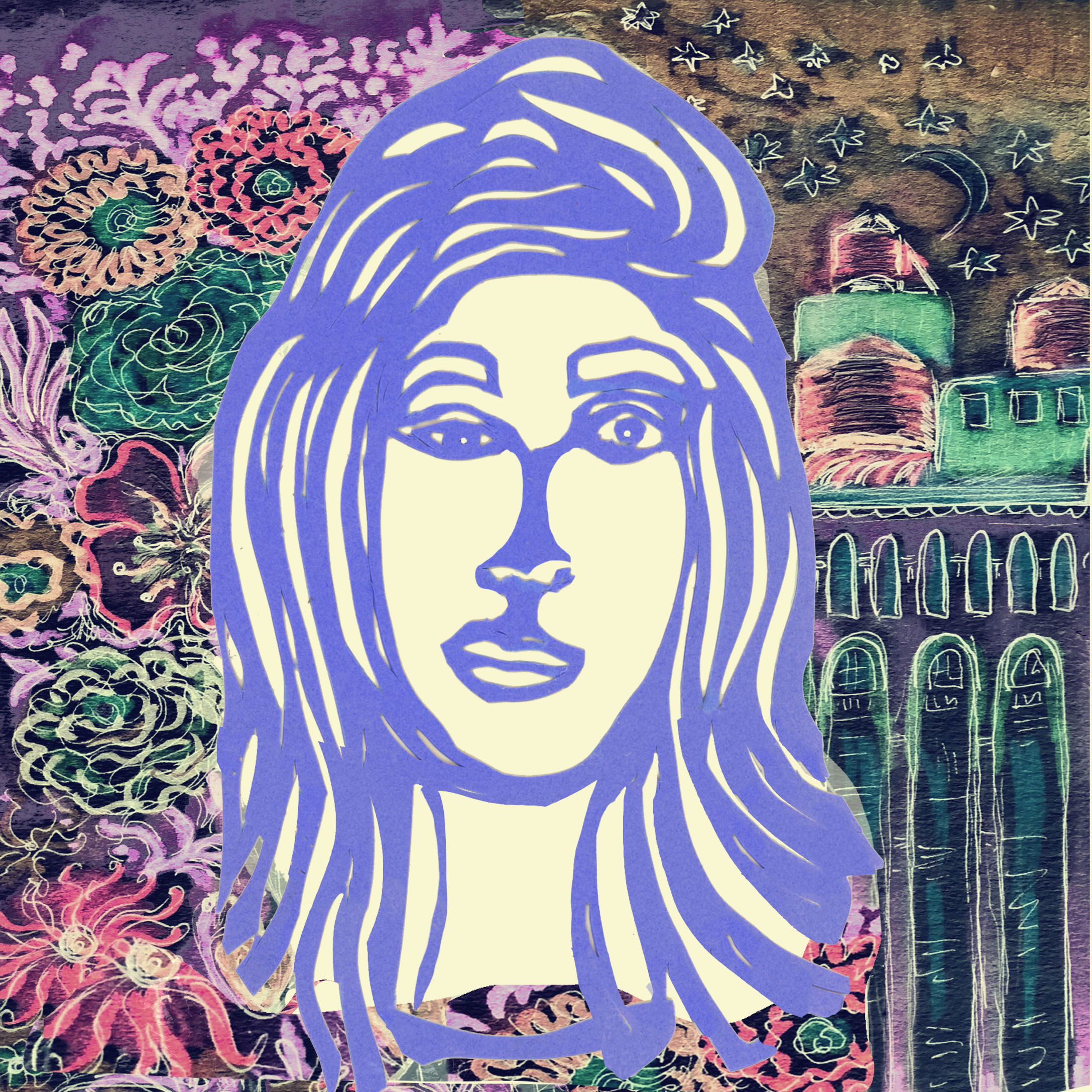
I’ve been writing professionally since I graduated from college, which was in the (late) 20th Century.
I’ve written tens of thousands of words which were published in many different magazines, newspapers and websites. Many you’ve heard of, many you haven’t. A roughly alphabetical sample includes American Archaeology, Glamour, Inc., Mother Jones, The Toronto Star, The Washington Post, Yoga Journal, among other places.
I even wrote some books and contributed to some anthologies, of which I’m particularly proud.
I specialized in travel writing for a number of years, which didn’t suck. I traveled to every continent besides Antartica, and someday I’ll get there too!
Read more about my writing here.
About the Art:
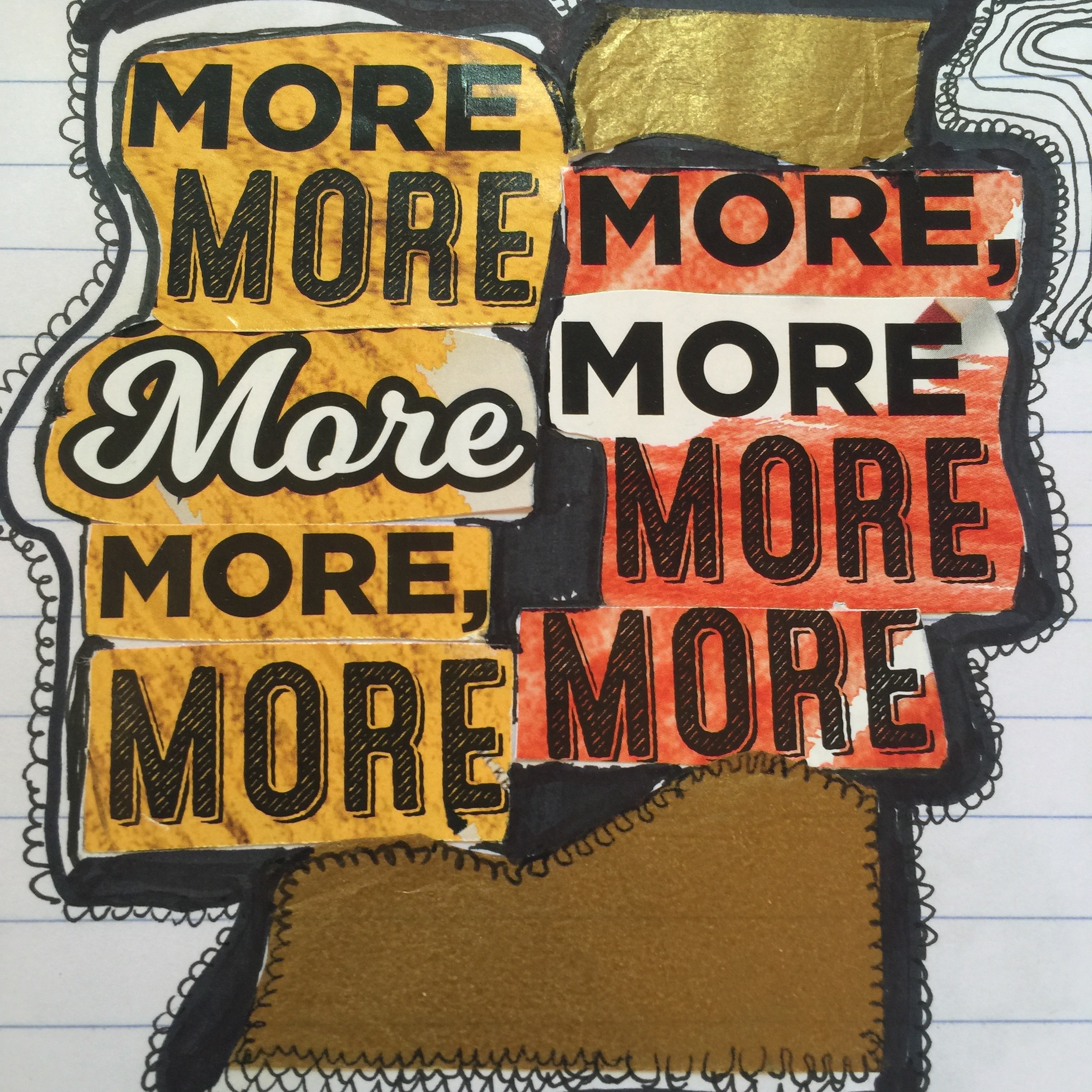
In 2013, I took a sabbatical from writing and studied art and craft at The Art Students League, The School of Visual Arts, The National Academy Museum and School, The Fashion Institute of Technology, The Center for Book Arts, The 92nd Street Y, and other places around New York city.
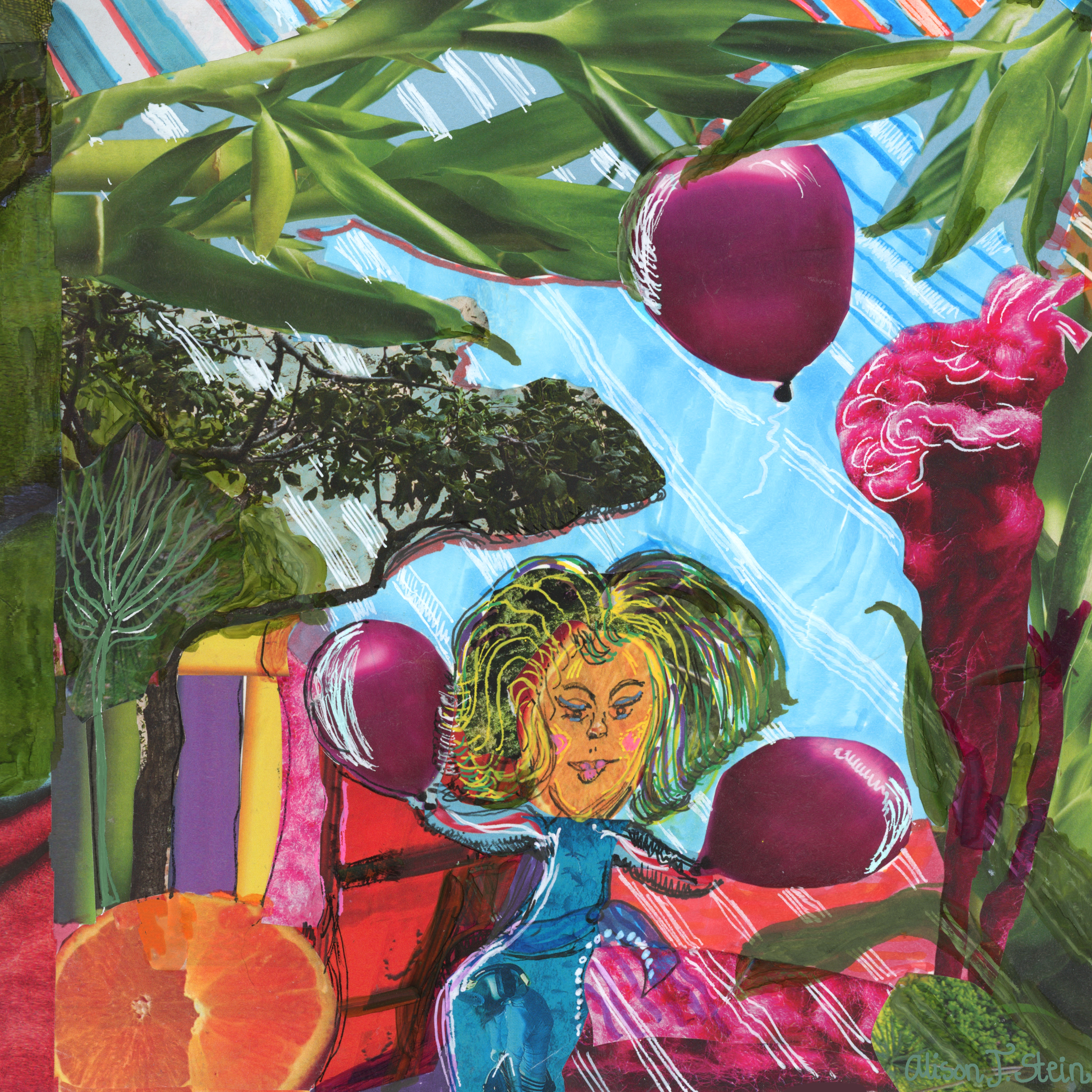
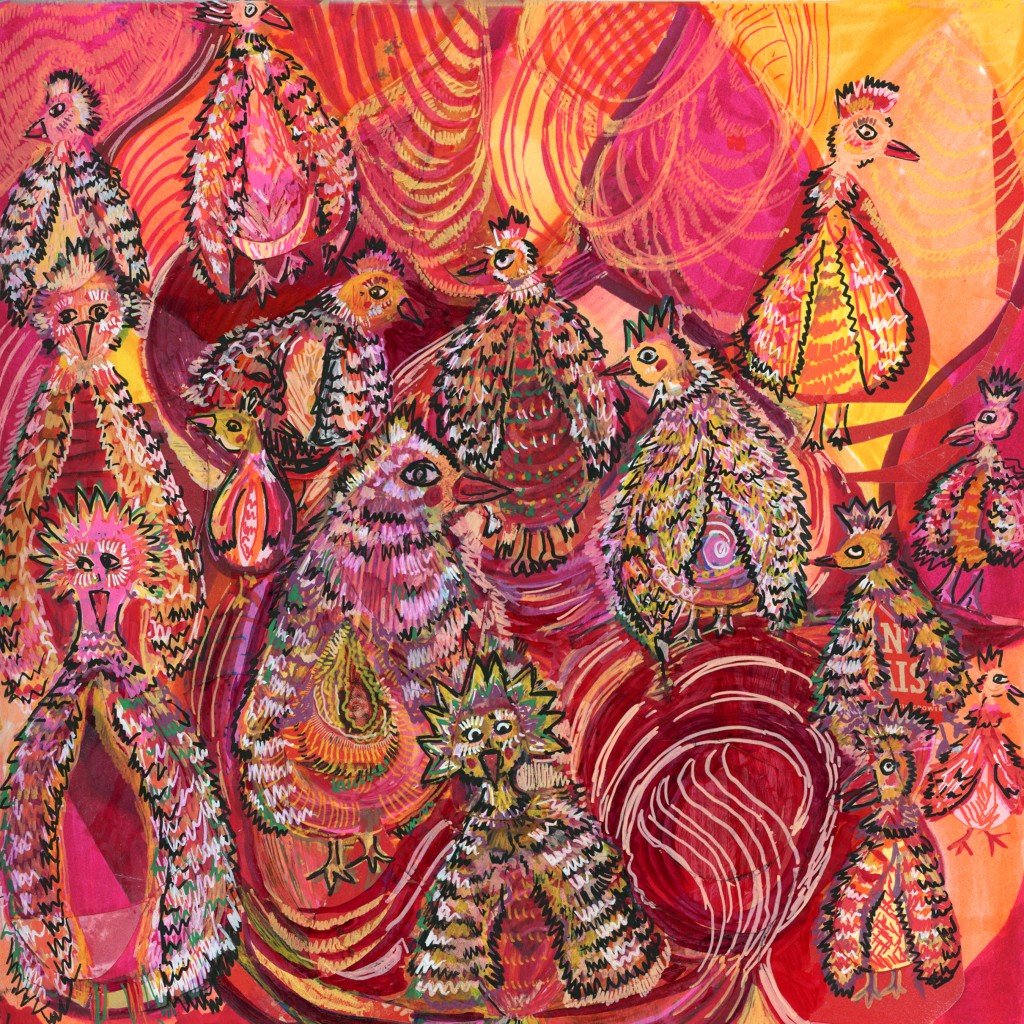
I studied bookmaking, print making, embroidery, drawing, painting, mixed media arts, and more. I also did a summer residency program in book arts at Kenyon College. I’m now working on art and illustration. A small sample of recent work is below, you can see even more of my art work right here. Or by following the “Portfolio” link above, if you’re a fan of menus.


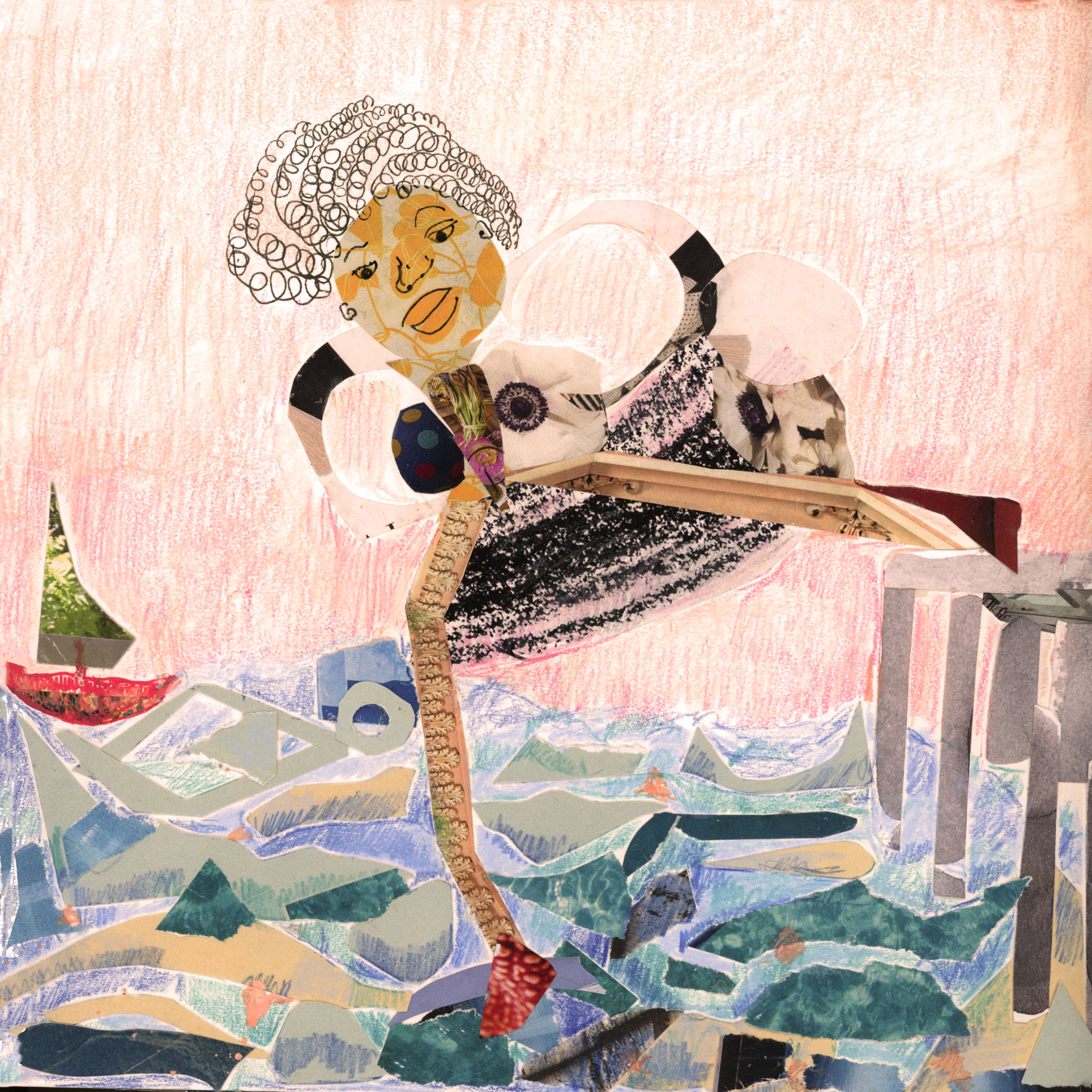


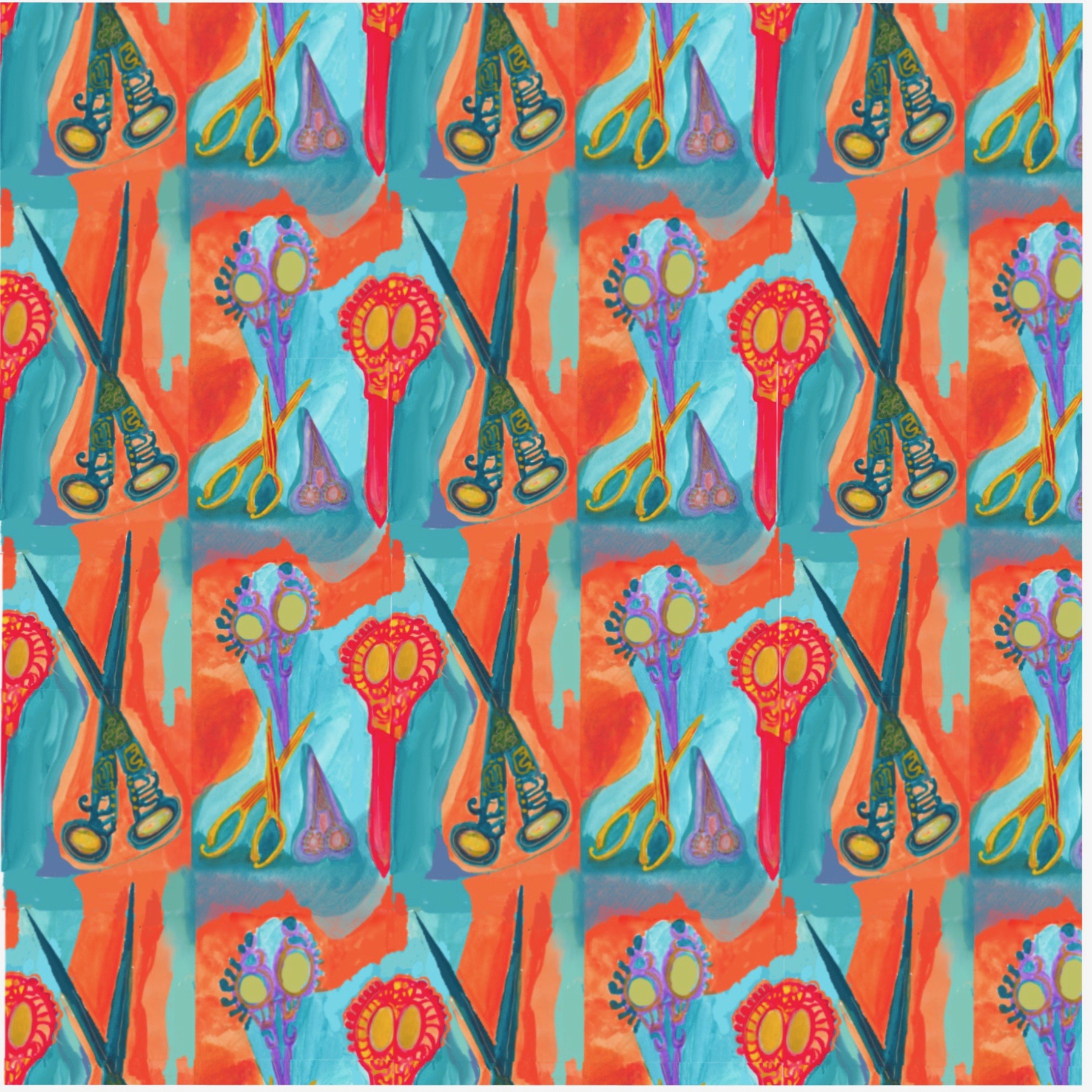
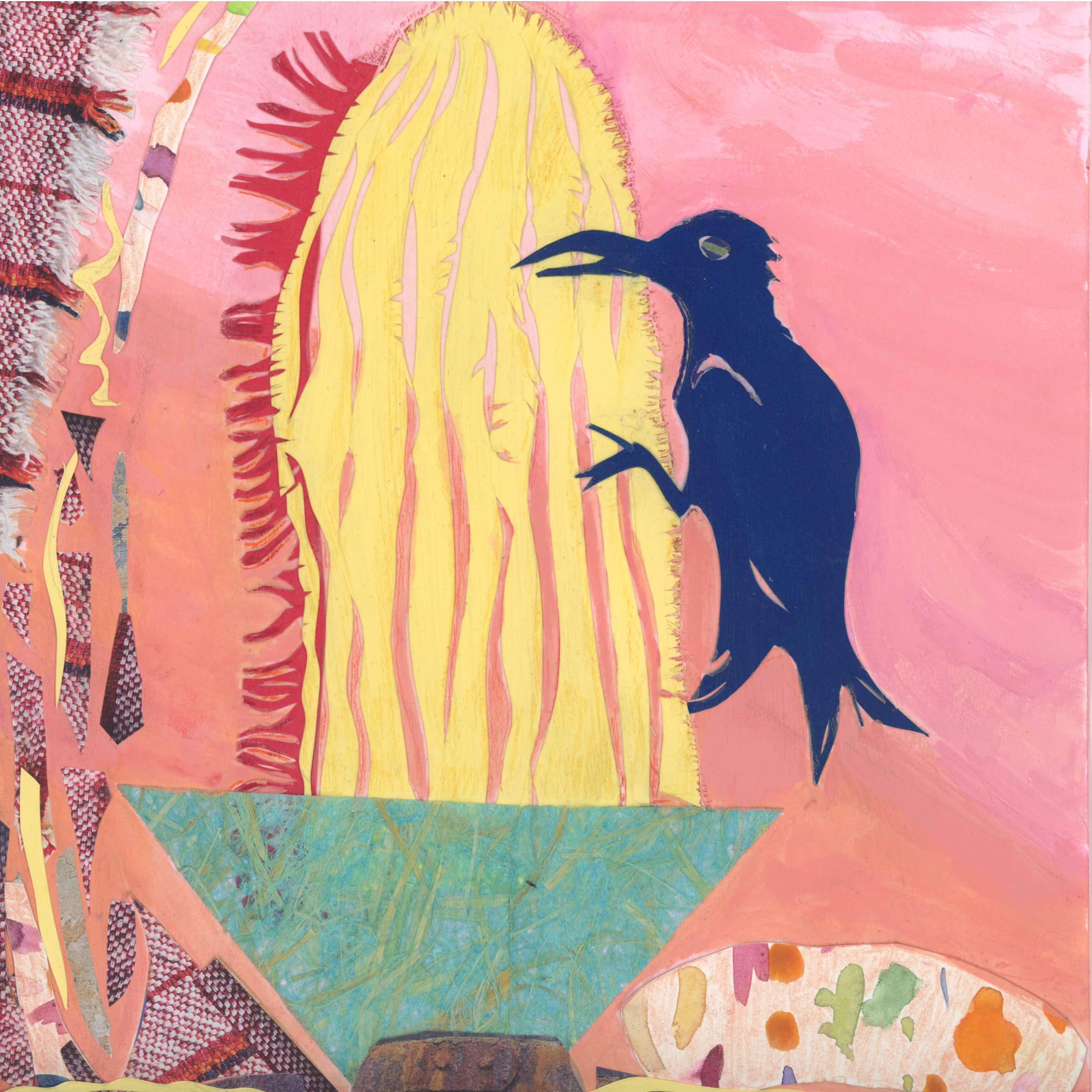
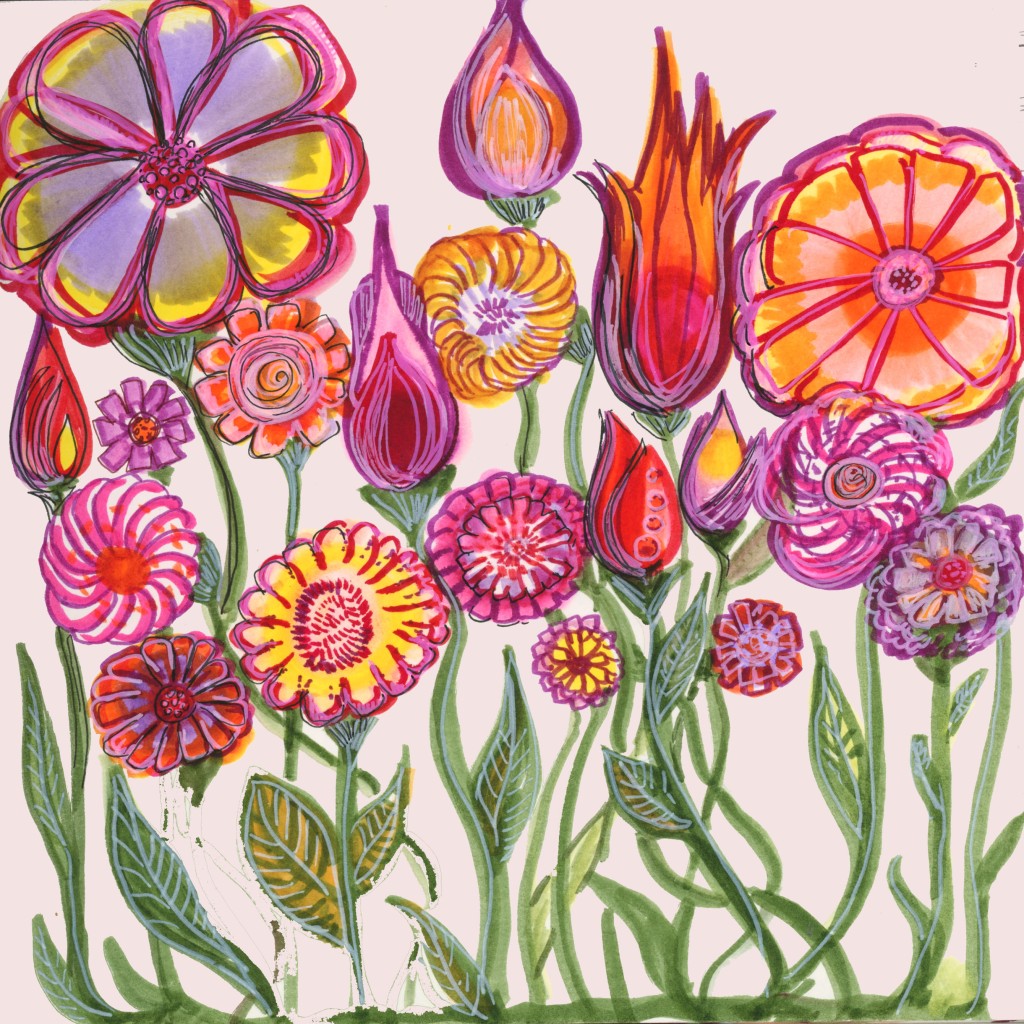
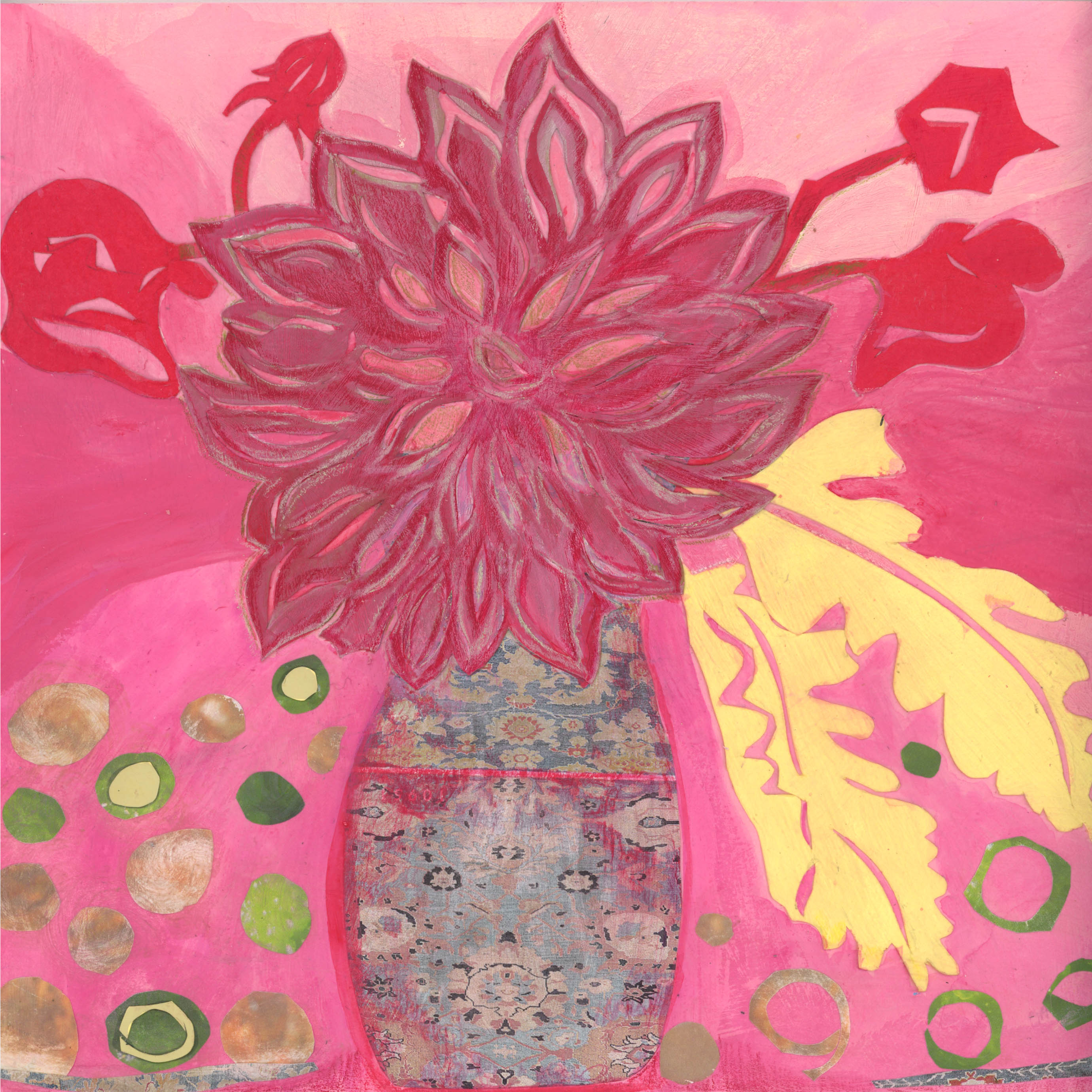
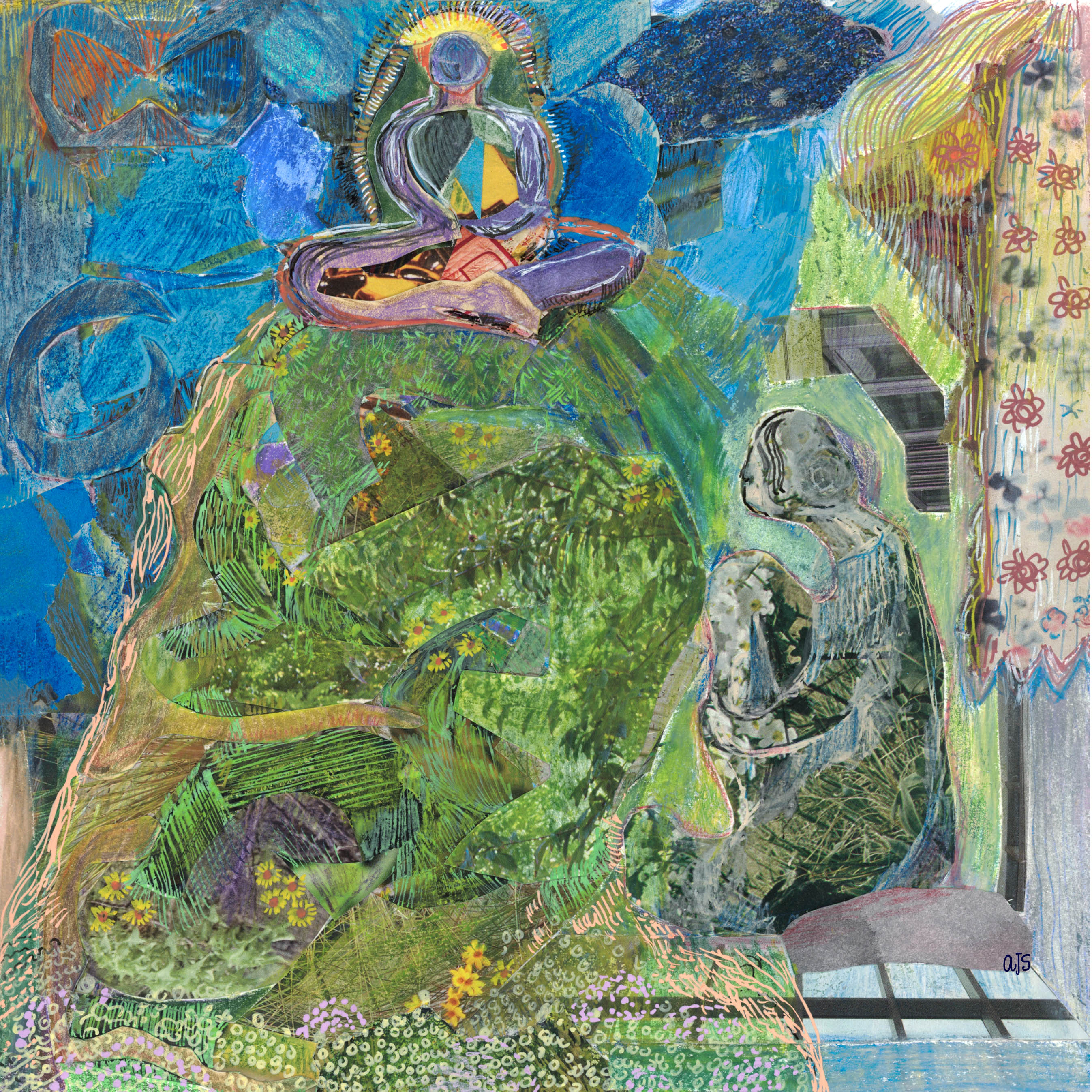



Psssst! I often post new work first on Instagram.
About the Teaching:
I’m on the faculty of Albany College of Pharmacy and Health Sciences, in Albany, New York, and Gotham Writers’ Workshop in New York City. I mostly teach writing, but we do stray into other matters from time-to-time.
I love teaching. You can read more about that here.
About Not Work:

I live in New York City’s Greenwich Village. I was born and raised in Manhattan, and while I did leave the city to live elsewhere at various times in my adult life, I always seem to boomerang back here.
Besides my work and creative pursuits, I’m passionate about my beloveds, both family and dear friends, politics (liberal, duh), great food, adventures near and far, and visiting thrift stores and vintage markets to collect weird and quirky vintage books and objects.
I’m also very interested in advocacy for rescue animals, especially Pit Bull-type dogs, who face ridiculous amounts of discrimination because of their head shape, as well as body size diversity and inclusivity for humans, and artistic and journalistic freedom.
About the Jewelry:
Wait, whaaat? There was another section in my bio at one point. So, during my period of art education, I also took a number of jewelry classes, in metal work, cold connections, enameling, wax carving, resin casting, global knotting and macrame styles, bead weaving…basically, every technique I could find.
That experience led me to my jewelry company, Alison Wonderland Jewelry, which was active from 2015-2018. My business started with three not-very high falutin’ words: Fuck This Shit. I hand stamped it onto a key chain for myself, in a moment of total frustration. The story is here.
People starting asking me for those key chains. And the business was born. I found studio space in Greenpoint, and then in DUMBO, Brooklyn, and I made a lot, and I mean, A LOT of jewelry.
I was proud to have been one of the first to make “Nevertheless She Persisted” bracelets in 2017, which raised over $600 for the Southern Poverty Law Center, and to have sold my jewelry all over the country and the world, including to service people overseas.
Still, after a couple of years, I learned two things: that I didn’t love making a zillion of the same pieces, over and over again; and that the kind of work I liked to make — one-of-a-kind art jewelry, often with a political message, often using found materials — was something that was probably better in the realm of fine art rather than commercial jewelry. So I shuttered that business, although I obviously still love making, wearing, and being anywhere near jewelry.
Here are some examples of the work I did under the Alison Wonderland Jewelry umbrella. (Sorry! None of these are available for purchase anymore.)


About Very Curious Mind
I initially started this as a blog/online portfolio for my writing, and a place to share the interesting material that didn’t make it into my published work. It also turned out to be a great place to publish short pieces on subjects I couldn’t or wouldn’t want to place elsewhere.
Over the years, the topics I’ve focused on here have shifted with my interests. Initially, there was a lot about demographics and business, then women’s health, then travel, then personal essays — and then jewelry, and art. Besides my curiosity, the common thread through it all has been my deep and abiding interest in creativity, the creative process and running a creative business.
The blogging world has changed a lot since 2005, which when I started this blog. I feel like a lot of what I wanted to do with blogging is now satisfied on other social media. If you really dig around the plumbing and wiring here, you’ll probably find my earlier approaches to this site. I don’t delete anything but I do bury it! But if you’ve read this far, you’re probably someone who likes to dig.
How to Contact Me:
*You can reach me at alisonstein at gmail.com
*I do have a phone number, but that’s one part of the twentieth century I don’t miss. You’ll get my phone number if you email me, though.
*The social media I pay the most attention to is Instagram. Where you’ll find me at @alisonjnyc. However, I’m not really paying as much attention to it these days, #detox.
 Very Curious Mind
Wow! Your bio reads like the screenplay for an action adventure film and leaves me breathless. It suggests that the last vestiges of the reclusive writer stereotype are completely dead. You probably don’t even know what I’m talking about… and that proves it. Huge congratulations on your new book! I can’t wait to see what comes next.